All Categories
Featured
The Logic Behind Design Linking Visually Distribution
Table of Contents
- – Modern Mechanics of Digital Authority in 2026
- – Equity Management for Design Linking Visually
- – The Impact of Geographic Signals in Regional M...
- – Tiered Linking and Refreshment Cycles
- – Internal Linking Optimization for High-Stakes ...
- – Future-Proofing Authority in Emerging Markets
- – Addressing Equity Sinks and Redirect Chains
- – Semantic Proximity and Authority Transfer
- – The Role of Engagement Signals in Link Value


Modern Mechanics of Digital Authority in 2026
Authority transfer between digital properties has moved past the simple tallying of backlinks that defined the early decade. In 2026, search algorithms prioritize the velocity and contextual relevance of equity as it moves through a site structure. Mere acquisition of high-authority links no longer guarantees a ranking increase if that equity becomes trapped in isolated pages or fails to reach the most important commercial segments. The current environment demands a deliberate approach to how link juice is channeled and preserved across complex domains.
Search engines now evaluate the health of a link based on its interaction rate and the freshness of the surrounding content. Links that exist on pages with zero traffic or those that haven't been updated in months are frequently devalued or ignored entirely. This shift has forced site owners in competitive markets to treat link equity as a perishable resource rather than a static score. Proper distribution ensures that every external signal is pushed toward pages that drive actual business value rather than being wasted on administrative or utility pages.
Equity Management for Design Linking Visually
Focusing on specific niches like Design Linking Visually requires a different set of rules for equity distribution. In these sectors, the competition for top-tier placements is so high that even minor leaks in the internal linking structure can lead to a drop in rankings. Sophisticated teams are now using automated scripts to audit the flow of authority every week, identifying "equity sinks"—pages that receive significant internal links but do not pass that value back to the main service areas.
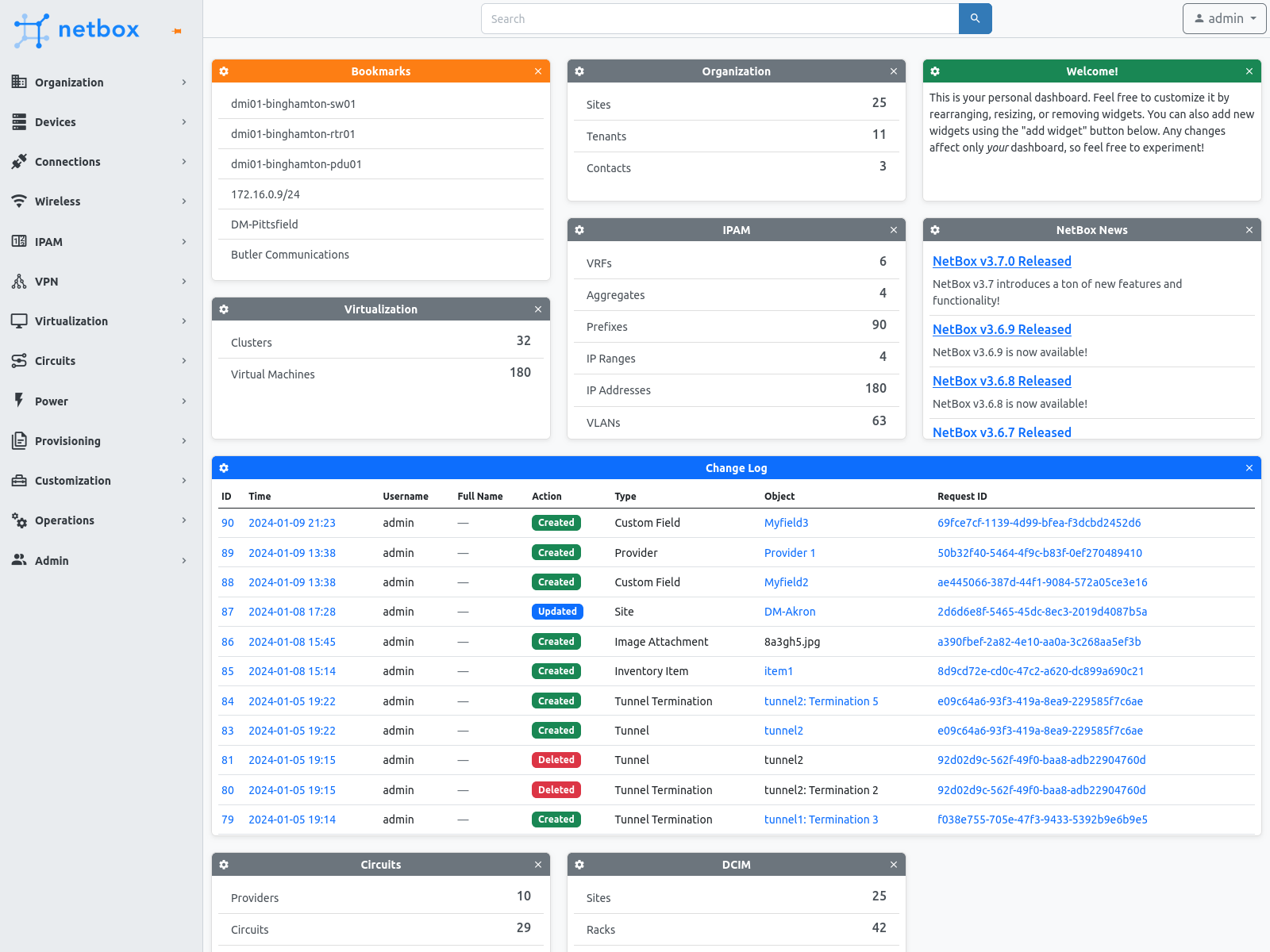
Structural silos remain a common problem. When a site produces high volumes of informational content, that content often attracts the most natural backlinks. If those blog posts or resource guides are not tightly integrated with commercial pages, the authority stays contained within the information silo. To counter this, 2026 strategies involve using contextual bridges that link the informational "power pages" to the conversion-focused sections. Successful growth in 2026 depends heavily on Link Graph Visualization to ensure that the value captured by a single viral post spreads across the entire domain.

The Impact of Geographic Signals in Regional Markets
Location-based relevance has become a dominant factor in how search engines interpret link value. For businesses operating in local municipalities, the origin of the link often carries more weight than its raw domain authority. A link from a local news outlet or a community organization in the surrounding region provides a geographic anchor that global sites cannot replicate. This "geo-equity" is then distributed throughout the site via location-specific internal links.
Internal link structures in 2026 are often dynamic, changing based on the user's IP address or the specific regional focus of a subfolder. If a company provides services across multiple areas, the equity flow is adjusted to favor the region where the business currently needs more visibility. This prevents a situation where a headquarters page in one city dominates the rankings while branches in other areas struggle for attention. Localized anchor text, when used sparingly and within a logical hierarchy, helps search engines map the physical footprint of a digital entity.
Tiered Linking and Refreshment Cycles
One of the most significant changes in 2026 is the emergence of tiered refreshment. Site owners no longer just build links and move on. They actively maintain the pages that link to them. This might involve reaching out to editors to update old statistics in an existing guest post or providing new graphics to a partner site to keep their page relevant. When the linking page stays fresh, the equity it passes remains strong.
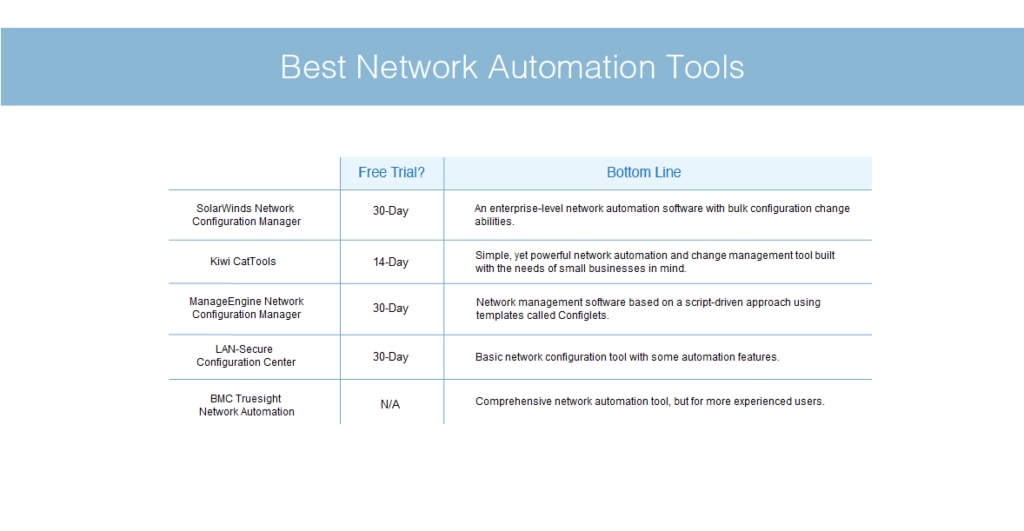
Detailed Link Graph Visualization Systems has become a prerequisite for high-competition sectors because it addresses the problem of link decay. If a backlink comes from a page that has fallen out of the search engine's index due to poor quality, the equity disappears. By building a second tier of links—linking to the sites that link to you—businesses can keep those primary referral sources active and relevant in the eyes of the algorithm. This method creates a buffer that protects the main domain from the volatility of individual link losses.
Internal Linking Optimization for High-Stakes Environments
The technical side of equity distribution involves more than just adding a few links in the footer. Search engines in 2026 give more weight to links that are placed high within the main body of a page and those that are surrounded by semantically related text. Links found in navigation menus are still important for crawling, but they carry less "ranking power" than a link embedded in a detailed paragraph of expert analysis.
Crawl budget management is also a factor. If a site has thousands of pages, search engine bots might not reach the deep pages frequently enough to recognize new internal links. Reducing the number of clicks from the homepage to any important service page is a priority. Many teams are now using "flat" architectures where the most valuable commercial pages are never more than two clicks away from the main entry point. This ensures that the equity flowing into the homepage is distributed with minimal loss of strength.
Future-Proofing Authority in Emerging Markets
As search engines become more adept at identifying "artificial" link patterns, the focus has shifted toward building authority that looks and acts like a natural part of the web. This means moving away from repetitive anchor text and toward a more varied profile. Site owners frequently seek Link Graph Visualization in 2026 to maintain visibility in 2026 while avoiding the over-optimization filters that have become much more sensitive.
The data suggests that sites with a high diversity of link types—including mentions from social platforms, citations in academic papers, and links from industry-specific forums—fare better during algorithm updates. Equity isn't just a number; it's a reflection of a brand's actual presence across the internet. In 2026, the most successful sites are those that treat every link as a relationship rather than a transaction.
Addressing Equity Sinks and Redirect Chains
A major source of lost authority comes from neglected technical issues. Redirect chains are a primary culprit. When an old page is redirected to a new one, and then that page is eventually redirected again, a portion of the link equity is lost at each step. In 2026, cleaning up these chains is one of the fastest ways to improve a site's performance without building a single new backlink.
Broken internal links also act as dead ends for equity. If an external site links to a page that now returns a 404 error, that authority is essentially deleted. Regular audits to find these errors and implement 301 redirects to the most relevant current page are essential. This process ensures that any historical authority earned over the years continues to support the site's current goals. In the competitive environment of the current market, leaving these "leaks" unaddressed is a mistake that competitors will quickly exploit.
Semantic Proximity and Authority Transfer
The distance between the topic of the linking page and the topic of the target page is now a major factor in equity calculation. A link from a high-authority fashion blog to a software site carries less weight than a link from a small, niche tech review site. This is known as semantic proximity. In 2026, search engines are much better at understanding the relationship between different topics, meaning that relevancy has finally overtaken raw authority as the most important metric.
This change has led to the rise of "niche-edits" and highly targeted content partnerships. Rather than trying to get a link on a massive general news site, savvy marketers are finding smaller sites that are deeply relevant to Design Linking Visually. These links pass "cleaner" equity that search engines can easily categorize. When the context of the link matches the content of the target page, the boost in rankings is often more significant and longer-lasting than a high-DA link with no topical connection.
The Role of Engagement Signals in Link Value
In 2026, a link is also judged by the behavior of the users who click on it. If a link on a partner site sends traffic that immediately bounces, the search engine may interpret that link as irrelevant or forced. Conversely, links that drive "high-dwell" traffic—users who click through and then spend several minutes on the destination page—are treated as high-quality signals. This makes the placement of the link and the call-to-action around it just as important as the URL itself.
Link distribution is no longer a "set and forget" task. It is a continuous cycle of auditing, refining, and protecting. By focusing on topical relevance, geographic signals, and the technical integrity of the site's structure, businesses in any major hub can ensure their digital authority remains stable. The strategies used in 2026 reflect a more mature understanding of how information flows across the web, moving away from tricks and toward a model of genuine, sustained authority.

Table of Contents
- – Modern Mechanics of Digital Authority in 2026
- – Equity Management for Design Linking Visually
- – The Impact of Geographic Signals in Regional M...
- – Tiered Linking and Refreshment Cycles
- – Internal Linking Optimization for High-Stakes ...
- – Future-Proofing Authority in Emerging Markets
- – Addressing Equity Sinks and Redirect Chains
- – Semantic Proximity and Authority Transfer
- – The Role of Engagement Signals in Link Value
Latest Posts
Achieving Peak Search Performance via Smart Sculpting
How Smart Linking Optimizes Internal Page Value

How to Avoid Common Footprints in Your SEO Strategy
Latest Posts
Achieving Peak Search Performance via Smart Sculpting
How Smart Linking Optimizes Internal Page Value
How to Avoid Common Footprints in Your SEO Strategy